Process published — nice work
What you do next determines whether this becomes real training. Pick one:

Your Progress
0 of 7 steps completedStep-by-Step Instructions
1 Step 1: Define clear ownership for every key metric and initiative
Step 1: Define clear ownership for every key metric and initiative
Create a RACI matrix (Responsible, Accountable, Consulted, Informed) for all major projects and KPIs. Ensure every metric has exactly one owner—no shared accountability. Document these ownership assignments in a central location accessible to all team members. Review and update quarterly as responsibilities evolve.

Lucidchart
Diagramming tool perfect for creating visual RACI matrices and organizational charts


2 Step 2: Establish transparent goal-setting with OKRs or similar frameworks
Step 2: Establish transparent goal-setting with OKRs or similar frameworks
Implement Objectives and Key Results (OKRs) to create alignment between company, team, and individual goals. Make all OKRs visible across the organization so everyone understands how their work contributes to broader objectives. Set quarterly objectives with measurable key results that define success clearly.

Lattice
Performance management platform with OKR tracking and goal alignment features


Measure What Matters by John Doerr
The definitive book on implementing OKRs from the person who introduced them to Google
3 Step 3: Create regular accountability rituals and check-ins
Step 3: Create regular accountability rituals and check-ins
Institute weekly accountability meetings where owners report on progress, challenges, and next actions. Use a consistent format: what was accomplished, what's at risk, what help is needed. Make these sessions focused on learning and problem-solving rather than blame or punishment.

Fellow.app
Meeting management software for structured accountability check-ins and follow-ups

Range
Team collaboration tool for async check-ins, updates, and accountability tracking
4 Step 4: Implement post-mortem processes for both wins and losses
Step 4: Implement post-mortem processes for both wins and losses
Conduct structured retrospectives after major projects, product launches, or significant failures. Focus on systems and processes rather than individuals. Document lessons learned and specific actions to improve. Celebrate productive failures that taught valuable lessons.

Parabol
Free agile meeting tool with structured retrospective and post-mortem templates

Retrium
Retrospective platform with multiple frameworks for productive post-mortems
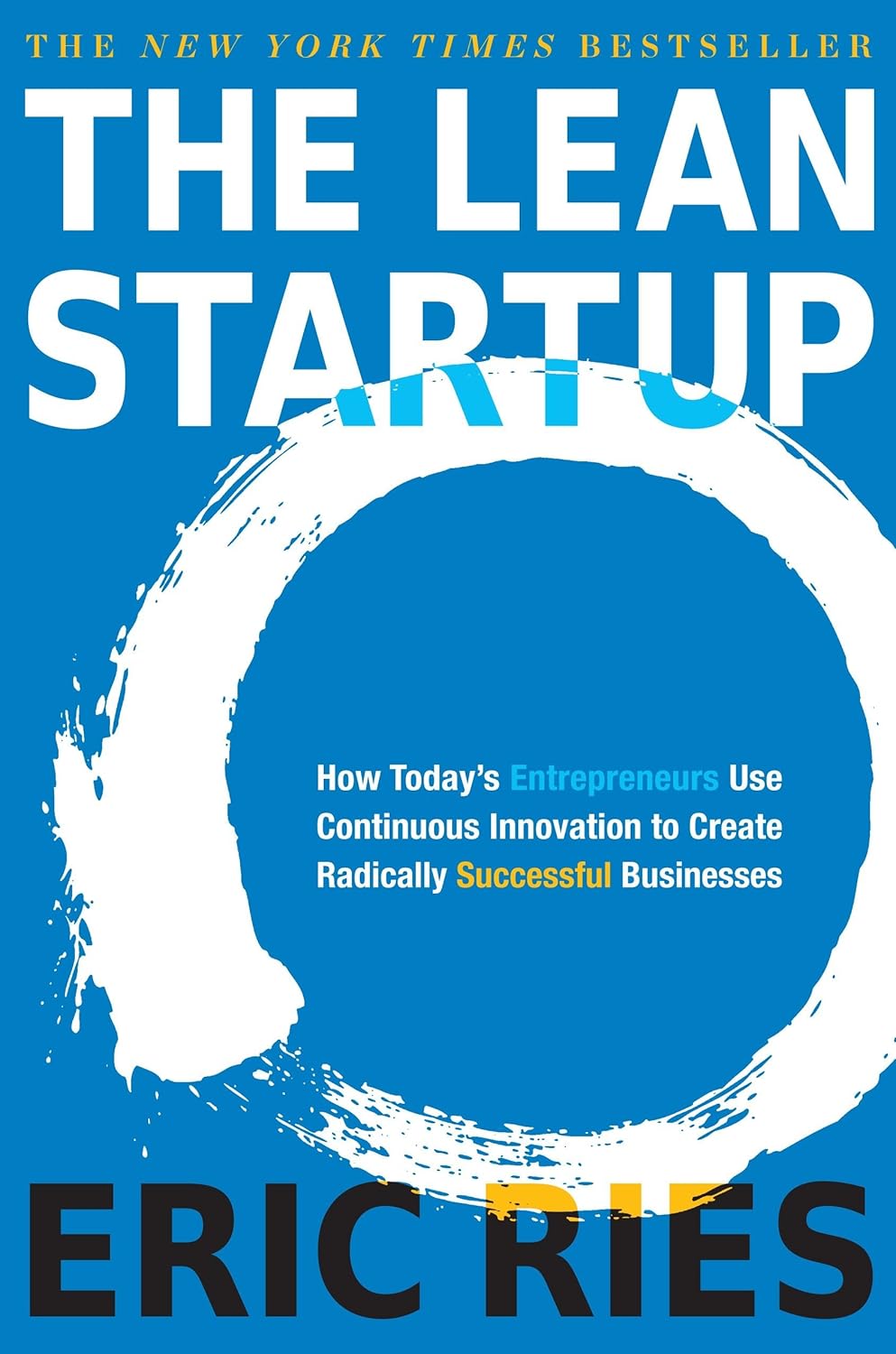
The Lean Startup by Eric Ries
Framework for building a culture of experimentation and learning from failures
5 Step 5: Build decision-making frameworks that empower autonomy
Step 5: Build decision-making frameworks that empower autonomy
Define clear decision rights at different levels. Specify which decisions require approval, which need consultation, and which individuals can make independently. Create guardrails rather than gates—set boundaries within which team members have full authority.

Principles by Ray Dalio
Book detailing decision-making frameworks and organizational algorithms from Bridgewater
DACI Decision Framework Template
Free template for implementing Driver-Approver-Contributor-Informed decision-making
6 Step 6: Create consequences and rewards directly tied to outcomes
Step 6: Create consequences and rewards directly tied to outcomes
Link compensation, promotions, and recognition to achievement of owned outcomes. Make the connection explicit and transparent. Ensure consequences for missed commitments are proportional and focused on future improvement. Balance individual and team-based incentives.

CultureAmp
Employee engagement platform with performance management and feedback tools

7 Step 7: Model accountability from leadership through radical candor
Step 7: Model accountability from leadership through radical candor
Leaders must visibly hold themselves accountable: publicly commit to goals, report on progress, admit mistakes, and accept consequences. Practice radical candor by giving and receiving direct feedback. Create psychological safety by acknowledging your own failures and growth areas.

Radical Candor by Kim Scott
Framework for caring personally while challenging directly in leadership

Extreme Ownership by Jocko Willink
Navy SEAL leadership principles applied to business accountability
Want to create your own processes?
Document your business workflows, train your team, and stop repeating yourself.
No credit card required · Cancel anytime