Process published — nice work
What you do next determines whether this becomes real training. Pick one:

Your Progress
0 of 6 steps completedStep-by-Step Instructions
1 Step 1: Frame work as learning problems, not execution problems
Step 1: Frame work as learning problems, not execution problems
Execution problems have known solutions; learning problems require experimentation. When facing: new markets, unproven ideas, complex challenges—frame as learning. This invites: questions, experiments, mistakes. Framing everything as execution creates: fear of failure, hiding problems, risk aversion. Right frame for right work. Innovation requires learning mindset. Permission to not know all answers upfront.

The Fearless Organization by Amy Edmondson
Definitive book on creating psychological safety for innovation
2 Step 2: Model vulnerability and fallibility as leader
Step 2: Model vulnerability and fallibility as leader
Leaders set safety tone. When you: admit mistakes openly, ask for help, say "I don't know," acknowledge uncertainty—team feels safe doing same. When you: pretend infallibility, blame others, punish questions—team hides and plays safe. Vulnerability isn't weakness in leaders; it's permission for honesty. Model behavior you want to see. Your authenticity enables theirs.

3 Step 3: Respond to bad news and mistakes with curiosity, not blame
Step 3: Respond to bad news and mistakes with curiosity, not blame
How leaders respond to problems determines what they hear. When someone shares mistake: thank them, ask what happened, explore root causes, focus on learning and prevention. Blame response teaches: hide problems, cover up mistakes, bring only good news. Curiosity response teaches: transparency is valued, problems are learning opportunities, speaking up is safe. Reaction to first mistake sets pattern for all future ones.

4 Step 4: Encourage questions and reward constructive dissent
Step 4: Encourage questions and reward constructive dissent
In psychologically unsafe teams, people nod and comply. In safe teams, people question and challenge. Actively invite: dissenting opinions, devil's advocate perspectives, "what are we missing?" questions. Thank people who push back or identify flaws. Promote productive dissenters. Ideas improve through challenge. Unanimous agreement often signals fear, not alignment. Healthy teams argue about ideas, not about whether to speak up.

5 Step 5: Separate experimentation failures from execution failures
Step 5: Separate experimentation failures from execution failures
Not all failures are equal. Experimentation failures: tried something new, learned it didn't work, documented lessons. Celebrate these. Execution failures: didn't follow known best practices, ignored warning signs, repeated previous mistakes. Address these. Treating all failures same: punishes learning OR excuses sloppiness. Distinguish to encourage innovation while maintaining standards. Fail fast on experiments; execute well on proven approaches.
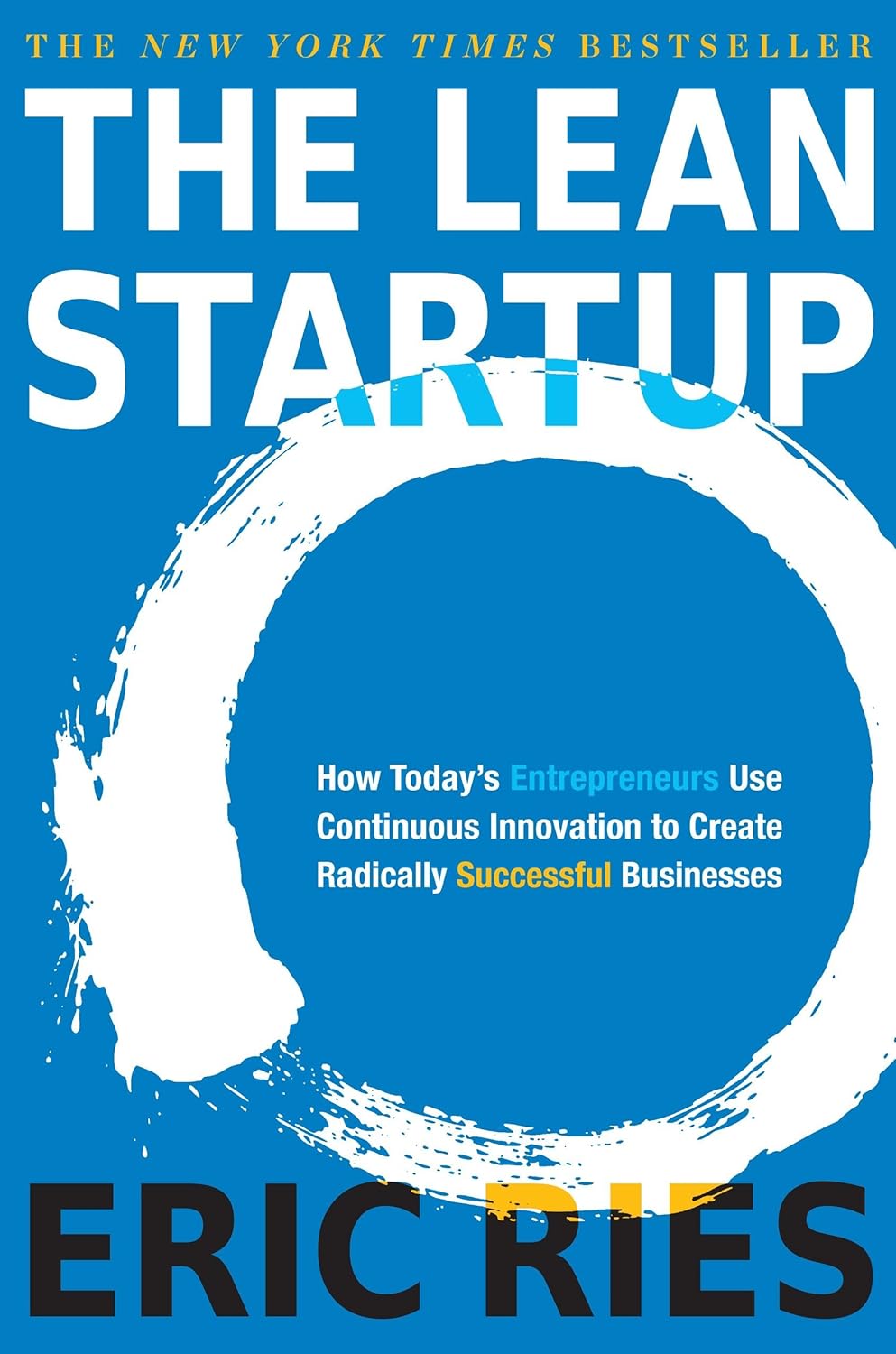
The Lean Startup by Eric Ries
Framework for validated learning and productive failure
6 Step 6: Measure and track psychological safety over time
Step 6: Measure and track psychological safety over time
What gets measured improves. Survey team regularly: Do you feel safe speaking up? Can you admit mistakes? Do you ask for help freely? Track trends. Discuss results openly. Act on feedback. Anonymous surveys reveal what people won't say directly. Psychological safety isn't one-time achievement—it requires ongoing cultivation. Regular measurement prevents gradual erosion. Safety is team asset worth protecting.

Want to create your own processes?
Document your business workflows, train your team, and stop repeating yourself.
No credit card required · Cancel anytime